

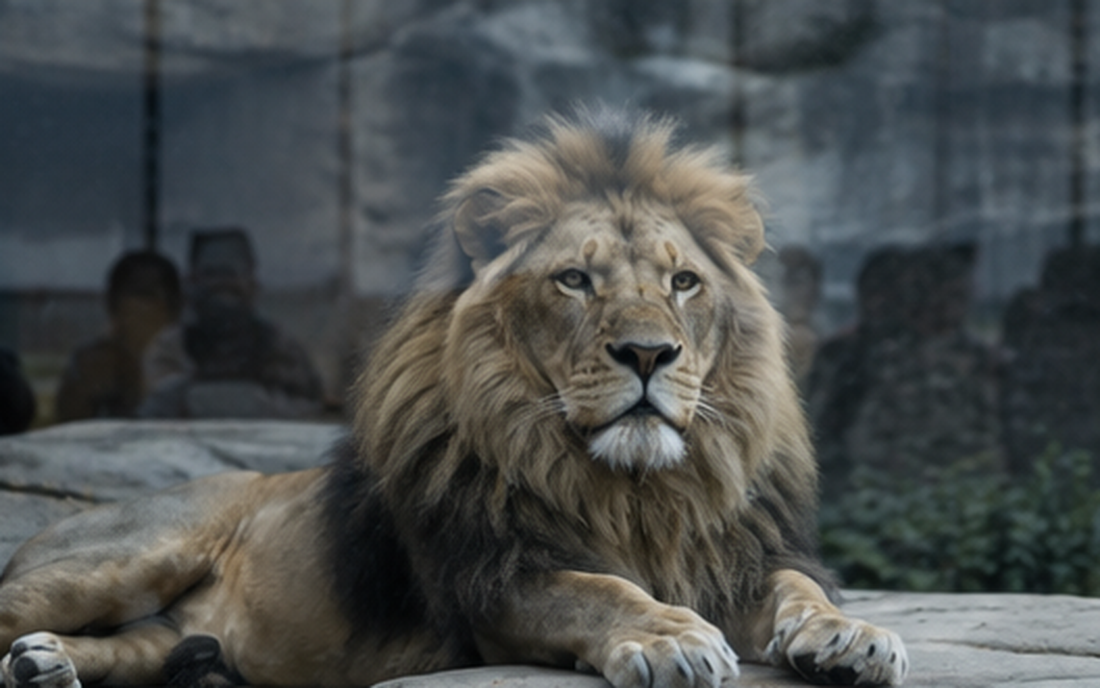
Picture the lion enclosure again. In Stop studying consumers in a zoo, it’s time to go on safari, we argued that consumer insights has spent decades studying people the way a zoo studies lions: recruited into a controlled setting, watched through glass, asked to explain decisions that were mostly subconscious in the first place. You can measure the movement and the routines. You still do not have the animal that crosses the savannah. Same glass here. Same watchful crowd. Same animal performing a version of itself for the people on the other side. Now imagine the zoo hires a new keeper: faster, tireless, fluent in forty languages, able to run tours around the clock. The enclosure is cleaner. The tours are slicker. The visitors are delighted.
Nothing about the lion in captivity has changed.
That is the promise, and the limit, of the AI moderators and augmented qual tools now sweeping consumer insights. They automate the keeper. They do not open the gate.
Automating the zoo is not the same as leaving it
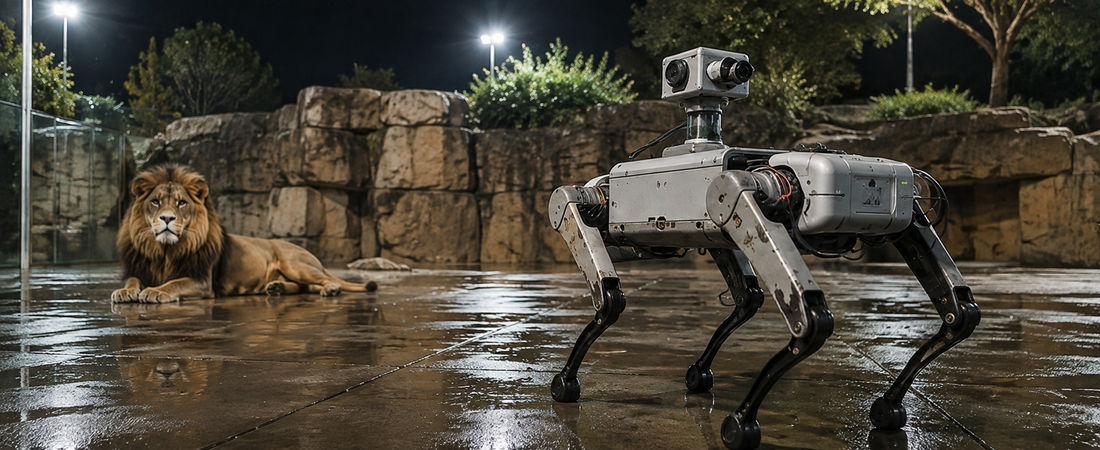
AI market research has produced genuinely useful tools, and the AI moderator is the clearest example of one. It recruits, interviews and analyses at speed, probes with adaptive follow-ups, and turns weeks of moderation into an overnight job. The current wave of AI-moderated qual platforms do this impressively well.
But look at what it actually is. A consumer is still recruited, still sat in front of a screen, still asked questions, still aware they are being studied. That is the glass. It does not matter how natural the conversation feels. The moment someone knows they are a research subject, the say-do gap opens up. People give the answer that sounds reasonable, responsible or on-brand, then go home and do something else entirely.
Some vendors counter that participants are more candid with a machine than with a human moderator. They may well be right. But candor about what you say is not the same as what you do. A more honest interview is still an interview. You have made the captive more comfortable. You have not set it free.
A better keeper cannot fix a broken gate
Here is the flaw that automation quietly inherits. Every panel-based study depends on a screener: the turnstile that decides which animals get into the enclosure. And screeners leak.
In quant surveys, some estimates put the share of fake or fraudulent online responses at more than 40%, and video qual has a fair answer to that one, since you can see the person answering. The more stubborn question is not who is fake but who is willing. Pew’s response rate on a typical telephone survey fell from 36% in 1997 to 6%, so any panel is drawn from the minority who agree to take part, and that minority tilts towards the people who take part often. They are genuine and engaged. They are just not a cross-section of your category.
An AI moderator does nothing about this. You can run the most sophisticated interview in the world with entirely the wrong person. A larger incentive, which half an hour of video tends to require, is also more likely to attract the people who were already answering than the ones who stopped. Worse, automation scales the problem: run ten times as many interviews and you simply fill the zoo ten times faster with the wrong animals. Volume of captive behaviour is not authenticity. It is just more captivity.
The safari was never in the enclosure
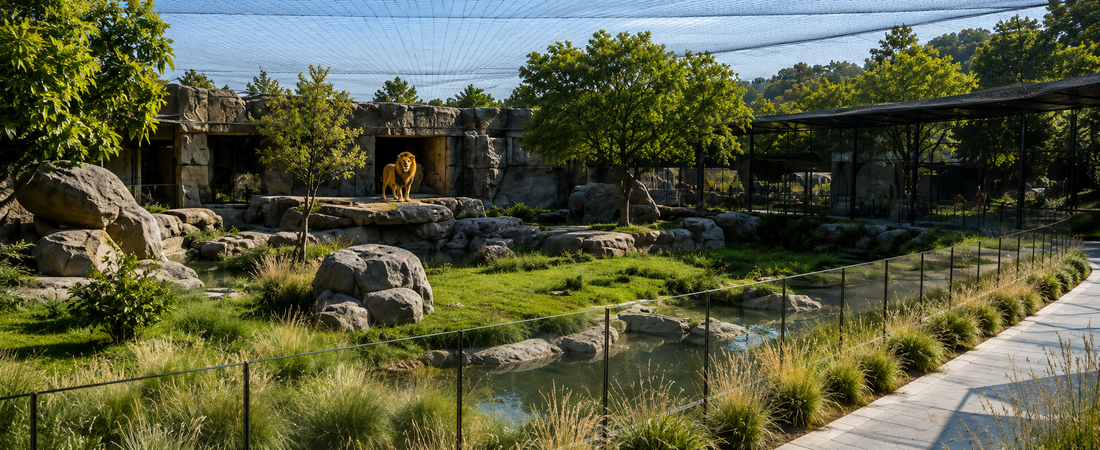
The way out is not a better interview. It is no interview at all.
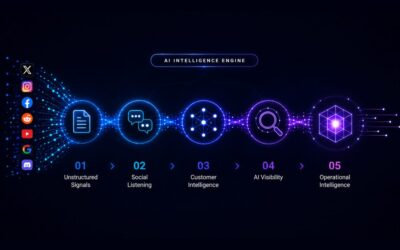
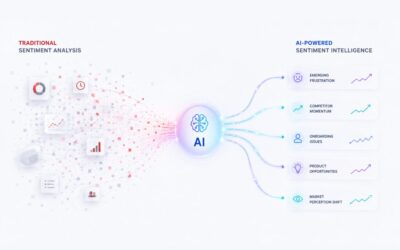
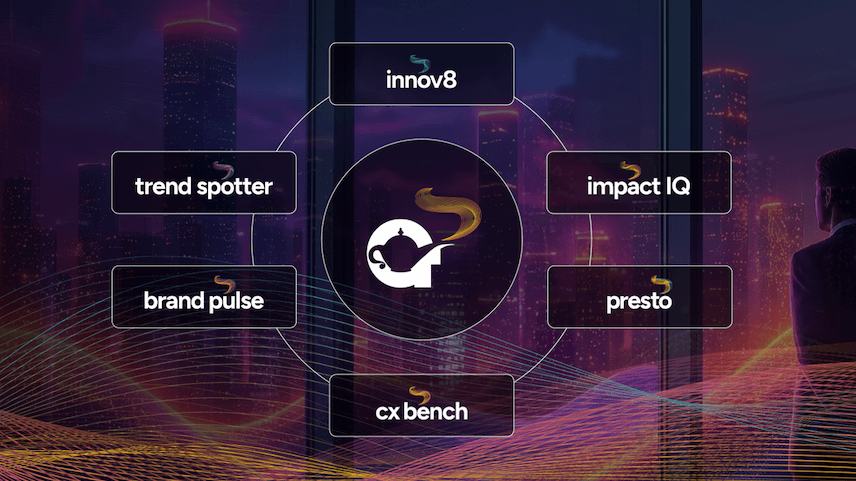
i-Genie.ai does not moderate the zoo; it works the savannah. Instead of asking recruited participants what they think, it observes what billions of real consumers already say and do across the open web: search queries, product reviews, community forums, social conversations and video commentary. No recruitment. No screener. No moderator. No glass.
That removes the three problems automation cannot touch. There is no panel to defraud, because nobody is recruited. There is no turnstile to break, because nobody is screened in. And there is no observer effect, because consumers are not performing for anyone. They are living their lives, unprompted and unaware, at a scale no focus group could reach and a speed no fieldwork cycle can match.
AI moderators answer the wrong question beautifully. They ask how to run the zoo more efficiently. The better question is why you are still in the zoo at all.
Time to leave the enclosure
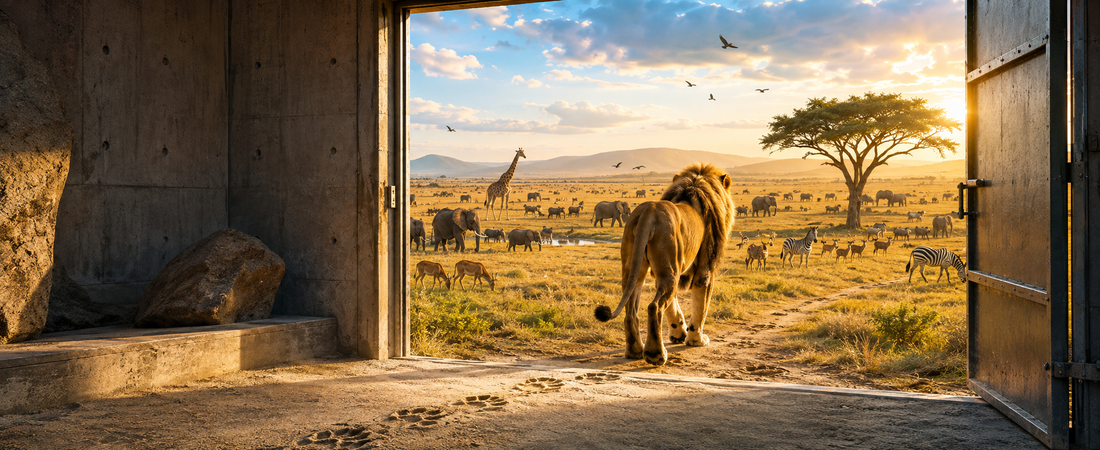
Automating qualitative research is a real advance, and the tools are good. But efficiency inside a flawed model just delivers flawed insight faster. The keeper is smarter. The enclosure is nicer. The lion is still not wild.
Whether you buy a tool like this or weigh up building your own consumer insights AI, the first question is not how fast it runs, and it is not how many signals it captures. It is what it is looking at.
The most valuable consumer truth was never going to be captured behind glass. It lives out on the safari, in what people reveal when no one is asking.