
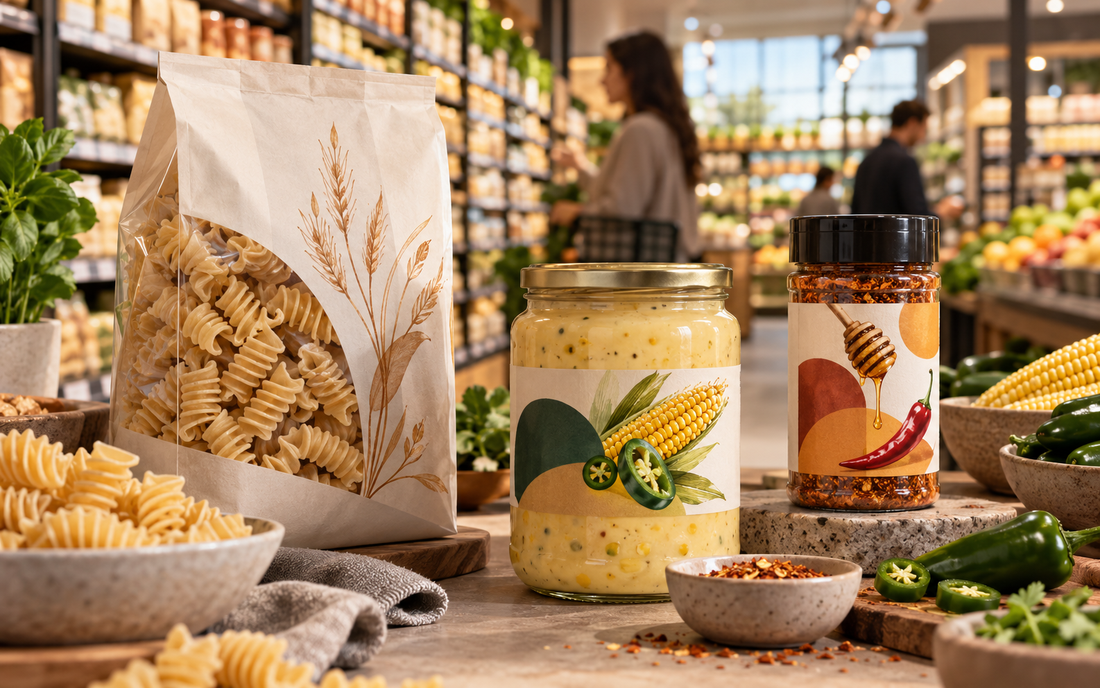
Walmart sells a bronze-cut pasta from Italy, a creamy corn and jalapeño chowder, and a hot honey seasoning. Not one of them is a cheaper version of a national brand product, because no national brand makes them. Walmart made them up.
When it launched Bettergoods in 2024, its largest private brand food launch in twenty years, the retailer said so plainly: many of the items are unique to Walmart rather than direct alternatives to something already on the shelf (Walmart, reported by Food Processing, 2024).
That is the whole shift, sitting in one aisle. Own brand used to be the copy. Here it is the original.
The numbers behind the aisle
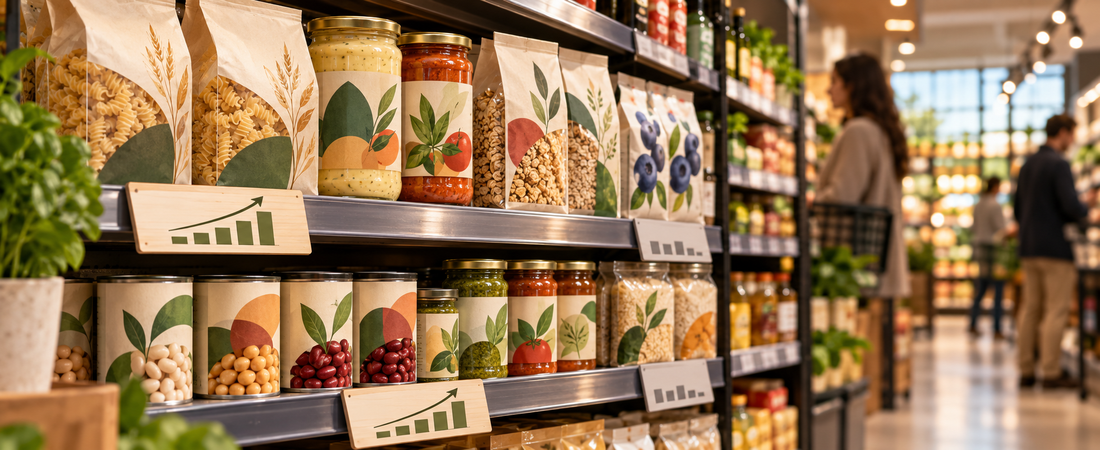
Store brand unit share in the US reached a record 23.8% in the first half of 2026, with own brand units up 0.2% while national brand units fell 0.5% (PLMA and Circana, July 2026). Nearly a quarter of everything sold now carries a retailer’s name.
Dollars tell a more contested story. Store brand dollar sales were flat across those six months while national brands grew 2.2%. The brands are defending with price. They are not conceding the shelf.
Target’s answer has been to build a private-label portfolio at scale, now generating more than $30 billion a year (Store Brands, 2026). Good & Gather alone spans more than 2,500 products available exclusively at Target. Clear tiers, distinct positioning and deliberate brand architecture: the full apparatus of brand management, applied to own brand.
None of this is buried in specialist CPG market research. The retailers are publishing it themselves, in their own results.
In the UK, the story is in the trolley
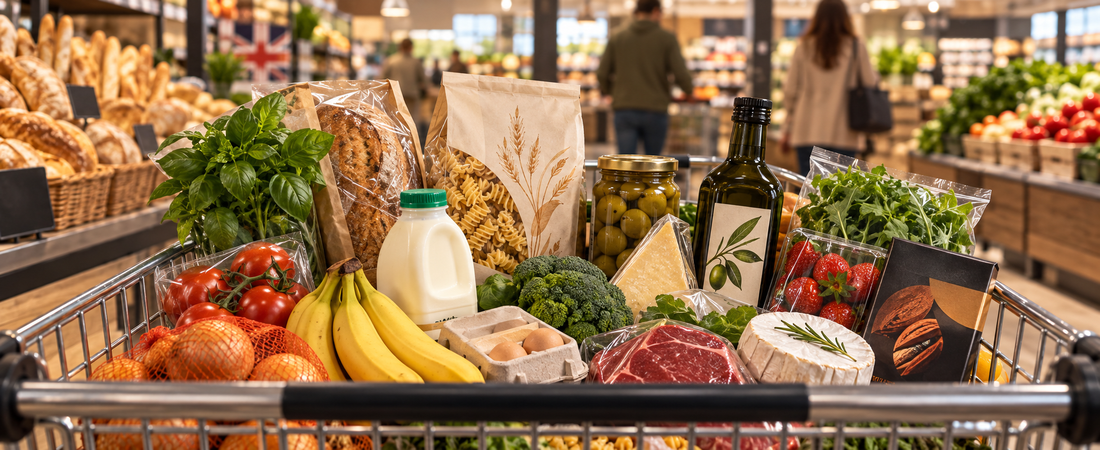
Sainsbury’s reports that 69% of its customers put Aldi Price Match items and Taste the Difference items in the same trolley (Sainsbury’s preliminary results, April 2026).
Sit with that for a second. The same shopper, on the same trip, reaching for the cheapest thing in the shop and the most premium. They are not trading down. They are trading up, inside your store, on the handful of items they have decided are worth it.
Taste the Difference has passed £2 billion, its fresh food sales up 16%, and around half of the 1,200-plus new own brand products Sainsbury’s launched last year carried the badge. Waitrose No.1 grew almost 30% in the year to January 2026, alongside the chain’s highest recorded Net Promoter Score (John Lewis Partnership, 2026).
What digital shelf analytics sees that a price file cannot
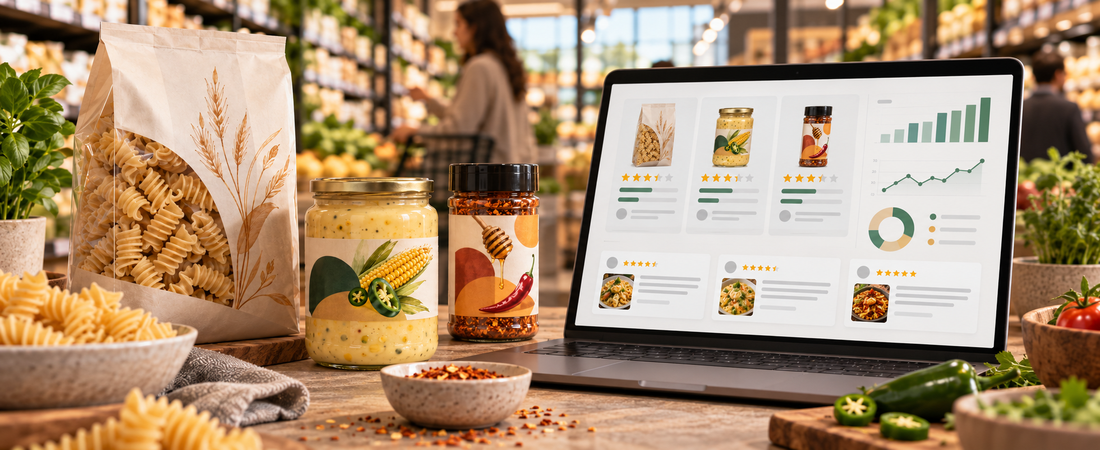
That trolley leaves you with a question your price file cannot settle. You know what your own brand costs against the national brand beside it. You do not know whether it wins once the shopper gets it home.
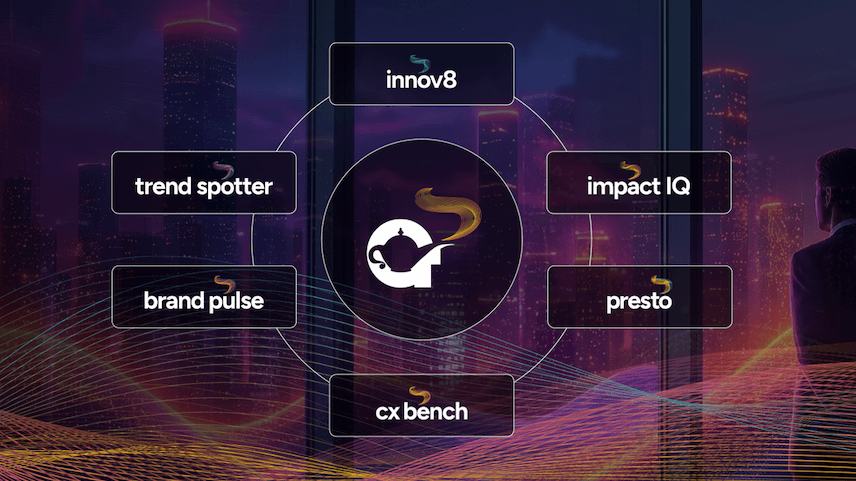
CX Bench is where that gets decided. It reads what shoppers say after using a product and sets your own brand against the national brands it competes with, so the comparison runs on lived experience rather than price indices. Often the gap is not where the category thinks it is. A range can hold its rating overall while individual listings quietly leak, and that variance is usually where the fixable problems live.
Somebody had to think of hot honey first
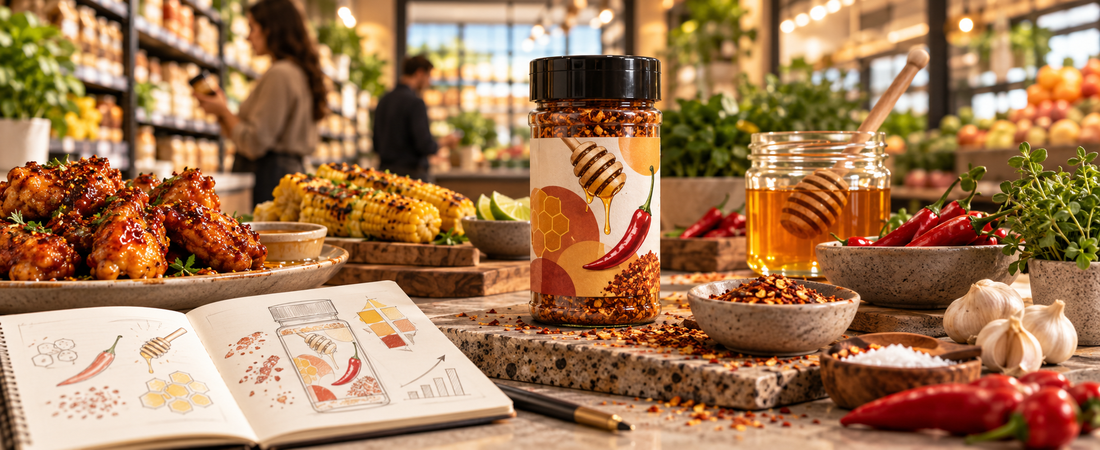
Which brings us back to that Walmart aisle. The chowder and the seasoning did not come from matching a competitor’s line. Somebody read a direction of travel early enough to build for it, before there was an incumbent to copy.
That is the harder capability, and it is where Trend Spotter earns its place: separating the trends that last from the ones that burn out, early enough for your range plan to be a decision rather than a reaction.
CPG innovation on a range review timetable
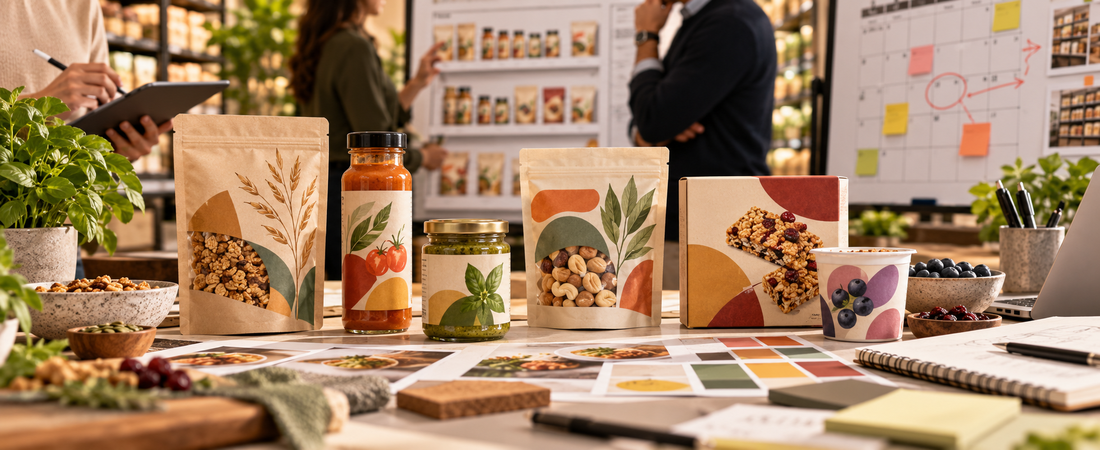
Then comes the part that makes own brand development genuinely unforgiving. Every line you list takes a slot something else could have had, and you are working to range reviews rather than the multi-year runways national brands enjoy. A concept that fails costs you the slot and the year.
This is CPG innovation work, run to a retail calendar. So Innov8 takes those prioritised trends and turns them into quantified concepts before the range review, not after a disappointing first year on shelf.
The shopper with both products in the trolley has already made up their mind about own brand. The open question is whether your development process has caught up with them.
See how i-Genie.ai helps retailers build own brand ranges that win on experience, not just price. Book a demo.